US Strikes Hog Island, Embassy Hit Amid Rising Tensions
 Factverse Insights|World|12 min read|Mar 15, 2026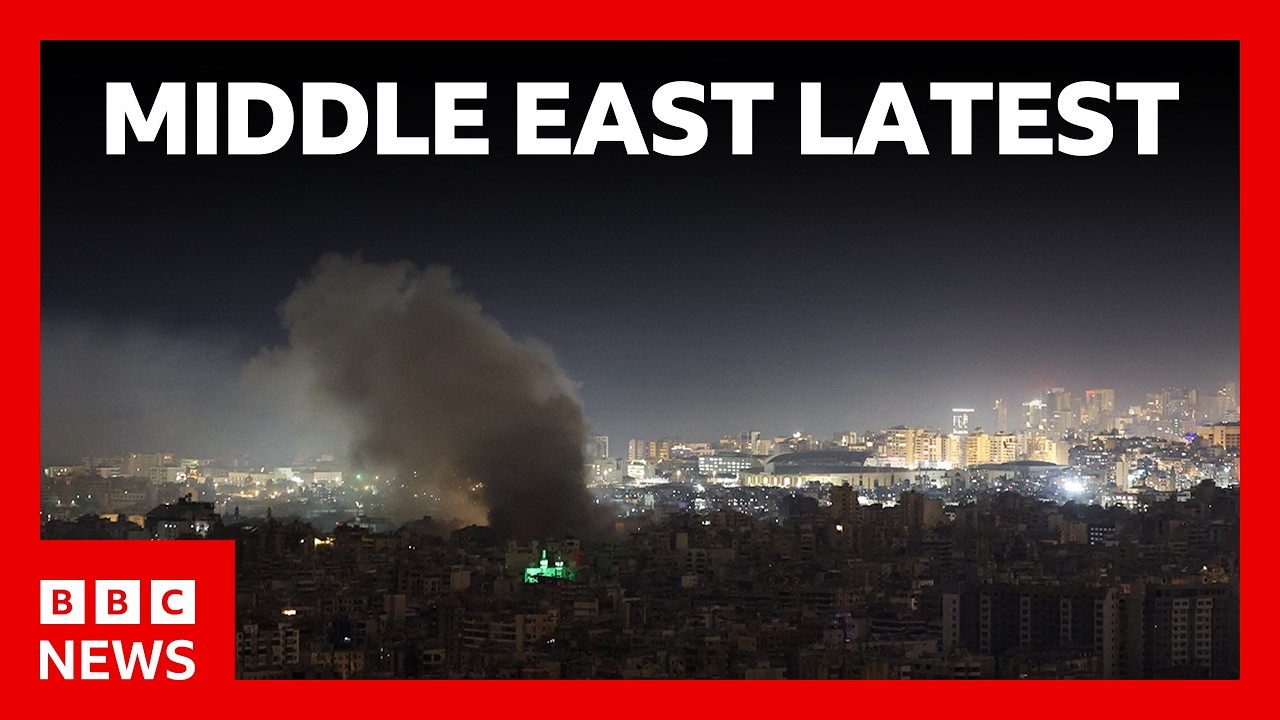
Amid escalating Middle East tensions, President Trump claims powerful US strikes on Hog Island while a missile attack hits the US embassy in Baghdad, raising the stakes in the region.
Overview
In a dramatic escalation of regional tensions, a recent BBC News episode has detailed a series of high-stakes military actions that have sent shockwaves across the Middle East. U.S. President Donald Trump has declared that American forces carried out one of the most powerful bombing raids in the region's history, targeting crucial military positions on Hog Island in Iran. At the same time, the U.S. embassy in Baghdad has come under missile attack, illustrating the increasingly volatile nature of conflicts unfolding in the area.
This in-depth analysis covers the strategic significance of Hog Island for Iran’s economy, the potential consequences of US military actions, the response from Iran, and the broader geopolitical implications, including the reinforcement of U.S. military presence with additional ships and Marines. Spearheading the discussion, BBC News reporter Simon Jones, along with insights from BBC Persian’s Param Gabbadi, offer a layered perspective on these interconnected events.
U.S. Military Strikes on Hog Island
A Powerful Air Campaign
President Trump announced that American forces struck Hog Island, a small but critically important island for Iran. Dubbed the crown jewel of the Iranian oil industry, Hog Island is a key export terminal, responsible for over 90-95% of Iran's oil exports. In his own words, Trump described the mission by stating, "The United States Central Command executed one of the most powerful bombing raids in the history of the Middle East and totally obliterated every military target in Iran's crown jewel, Hog Island."
This declaration not only highlights the scale of the attack but also underlines the U.S. military’s capability to engage in high-impact operations that aim to degrade Iran's military capacity. Although the strike was limited to military installations with the oil infrastructure reportedly left intact, the president warned that this decision could be reversed if Iran continued to interfere with shipping through the Strait of Hormuz.
Strategic Implications for Iran’s Oil Industry
Hog Island is far more than just a military target—it is the lifeline of the Iranian economy. With over 90% of the country’s oil exports passing through this terminal, any damage to its infrastructure could have catastrophic long-term economic implications for Iran. The president’s message was clear: while the current operation was limited to military objectives, continued provocations could lead to strikes on the oil infrastructure, a move that might cripple Iran’s economy.
This strategy points to a broader geopolitical game where the control of energy supplies and trade routes, such as the Strait of Hormuz, plays a critical role. Disrupting this channel not only serves as a punitive measure but also acts as a significant bargaining chip in any future negotiations. The potential for a direct hit on the oil infrastructure presents a scenario where the already tense energy markets could be thrown into even deeper uncertainty.
Rising Military Tensions in the Region
Missile Strike on the U.S. Embassy in Baghdad
On the same day as the Hog Island strike, a missile attack targeted the U.S. embassy in Baghdad, adding another layer of complexity to the situation. Images showed smoke rising from the embassy building, hinting at the severity of the strike. Though details remain scarce regarding the exact target within the embassy compound, the incident underscores the precarious security environment in the region.
The embassy attack is a stark indication that the conflict is far from contained. With multiple fronts now being affected, U.S. officials are closely monitoring the situation, particularly given the potential for collateral damage and the broader symbolism tied to an assault on diplomatic facilities. This move is not only a tactical blow but also a politically charged signal from adversaries opposing U.S. presence and influence in the region.
Reinforcement and Additional Military Movements
In response to the escalating situation, there are credible reports that the U.S. is set to bolster its military presence in the region. According to U.S. news partners, plans are underway to deploy additional ships and thousands of Marines to the Gulf area. In particular, the amphibious ready group led by the USS Tripoli, currently stationed in Japan, is expected to join operations in approximately two weeks.
This reinforcement is a clear indication that the U.S. is preparing for a prolonged and multifaceted conflict. By mobilizing additional forces, military analysts suggest that the U.S. aims to deter further Iranian aggression while securing vital maritime routes such as the Strait of Hormuz. The presence of such high-caliber assets underlines the significance that Washington attaches to maintaining control over key strategic locales in the region.
The Geopolitical Chessboard
International Reactions to U.S. Strikes
The U.S. action on Hog Island and the subsequent attacks have not only redefined the immediate military landscape but have also triggered responses from regional players, notably Iran and Israel. Iranian officials have vehemently retaliated over social media and official statements, threatening to destroy oil and energy infrastructure owned by companies that work with the U.S. Such rhetoric underscores the high stakes of the current standoff, with both sides prepared to escalate the conflict should provocations continue.
On the Israeli front, military warnings have been issued concerning operations in western Iranian cities like Tris. Israeli officials have urged residents in industrial zones to evacuate, a precautionary measure following recent air strikes in the area. These evacuation warnings, accompanied by detailed maps shared over social media, illustrate the breadth and depth of the conflict spanning multiple national and strategic interests.
The Information War and Its Impact on Civilians
A notable angle discussed in the BBC News episode comes from insights provided by BBC Persian correspondent Param Gabbadi. He explains that in Iran, the flow of information has been severely disrupted by the regime shutting down internet access. This disruption leaves the Iranian public in a precarious position, unable to receive timely warnings or verify the safety of their loved ones.
Gabbadi draws a comparison between the preparedness of Iranians and Israelis during conflict scenarios. While Israelis rely on integrated alert systems such as sirens and well-established shelters, Iranians are largely left without similar safeguards. "They don't have sirens and they don’t have shelters. When they hear the sirens, Israelis know exactly where to go," Gabbadi noted. This discrepancy in civil defense preparedness adds another human dimension to the conflict, revealing the broader societal impacts of military escalations.
The Stark Realities of an Active Conflict Zone
The tension is heightened further by strategic maneuvers seen on multiple fronts. Representatives of the U.S. military and government have repeatedly noted that the ongoing operations are a necessary, albeit tough, measure. While President Trump has indicated that the air campaign is only one component of a broader military strategy, his comments about the potential for extended operations suggest that the current phase of the conflict may only mark the beginning of a more sustained engagement.
During a press briefing, when asked about the duration of the conflict, Trump responded, "I can't tell you that. I mean, I have my own idea, but what good does it do? It'll be as long as it's necessary. They've been decimated." The implication here is clear: the U.S. is willing to commit to an enduring military campaign until its objectives are met, regardless of the unfolding complexity on the ground.
The Broader Picture: Energy Security and Global Markets
Vulnerability of the Strait of Hormuz
One of the recurring themes of the BBC segment is the critical importance of the Strait of Hormuz for global oil supplies. Referred to as the lifeline for Iranian oil exports, any disruption in this narrow stretch of water can have profound implications on global energy markets. President Trump has made it abundantly clear that interference with shipping through the strait will be met with decisive action. In a pointed warning, he declared, "Every navigating vessel from the Strait of Hormuz is banned from now on." Such bold statements are designed not only to deter hostile actions but also to reassure allies and instill confidence in the resilience of global energy supply chains.
Moreover, analysts predict that should the conflict intensify, potential action against the region's oil infrastructure could push oil prices even higher, exerting additional pressure on the Iranian economy. As China remains one of Iran’s primary buyers, any damage to the country's oil export capabilities could have ripple effects across global markets that are already volatile due to ongoing geopolitical uncertainties.
The Economic Fallout for Iran
As pointed out by commentators during the broadcast, while the recent strikes did not target oil infrastructure, the implicit threat hangs over the region. Should the U.S. decide to expand its campaign to include economic assets, the consequences for Iran could be dire. The economic fallout would not just be immediate but could also have long-term repercussions for a country heavily reliant on oil revenues.
Iran's economy could face significant devaluation, unemployment could surge, and the already strained social fabric might experience further stress as the population grapples with deteriorating living conditions. The potential economic repercussions are a critical factor driving the U.S. strategy, as crippling Iran's economy could limit its ability to fund military operations or sustain its broader geopolitical ambitions.
Tactical and Strategic Debates
Air Power Versus Ground Forces
There is an ongoing debate on whether the U.S. can achieve its stated goals through air power alone or if a ground invasion is inevitable. During the discussion, experts noted that while the air campaign has decimated Iran's military targets on Hog Island, it remains unclear whether this approach is sufficient to force regime change or significantly alter the balance of power in the region.
One analyst commented, "We’re looking at a scenario where an air strike, no matter how devastative, may not accomplish regime change without boots on the ground." With rumors circulating regarding the deployment of around 5,000 Marines, there is speculation about a potential shift towards more direct engagement. However, the presence of such forces, although significant, might prove insufficient in achieving the broader objective of regime change, especially given the complexity of urban and guerrilla warfare in a country like Iran.
U.S. and Israeli Objectives
Both President Trump and Israeli Prime Minister Benjamin Netanyahu have expressed desires for regime change in Iran, albeit with varied priorities. While the United States appears focused on neutralizing immediate military threats and safeguarding critical energy supplies, Israel’s objectives are more aligned with long-term regional security and preemptive measures against potential aggressions.
Despite the apparent alignment on objectives, the methods and strategic priorities differ. The U.S. emphasizes targeted strikes and maintaining international shipping lanes, while Israel focuses on proactive evacuations and ensuring civilian safety in vulnerable areas like Tris. This divergence in strategy highlights the multilayered nature of the conflict where different actors must weigh the costs and benefits of air strikes versus ground operations.
Challenges of Information and Communication
Restricted Internet and Communication Blackouts
One particularly troubling aspect of the conflict, as highlighted by Param Gabbadi of BBC Persian, is the significant disruption of communications within Iran. With the government having shut down internet access, millions of Iranians find themselves in the dark about the unfolding military and economic crises. The silence has far-reaching consequences: without reliable information, families struggle to ascertain the wellbeing of their loved ones, and the public remains vulnerable to the full impact of military operations without the warning systems available to other nations.
This isolation has led some to attempt using alternative methods such as Starlink, although the use of such technology is fraught with peril. As Gabbadi explains, "Very few people have Starlink. They may get connected every now and then, but even Starlink is extremely dangerous right now because the regime has said that it means cooperation with the enemy." In an era where information is as critical as military hardware, this communication blackout exacerbates the already dire situation for civilians caught in the conflict zone.
Consequences for Civil Society
The lack of accessible and reliable communication channels has amplified the civilian crisis. Unlike the Israeli population, which benefits from a robust network of alerts, shelters, and emergency services, the Iranian populace faces the grim reality of having minimal support during air strikes. This gap not only puts lives in danger but also stokes the fires of unrest, potentially leading to further instability that could spill over borders and affect neighboring regions.
Conclusion
The BBC News report provides a sobering glimpse into the realities of modern warfare in the Middle East—a complex interplay of high-powered aerial strikes, missile attacks on diplomatic facilities, and the looming threat of economic warfare. President Trump's announcement of the strike on Hog Island, coupled with the missile attack on the U.S. embassy in Baghdad, signifies a deliberate escalation that underscores the seriousness of the U.S. and its allies in curbing Iran's influence.
As tensions continue to mount with potential reinforcements on the way, the stakes could not be higher. The fallout from the destruction of military targets on Hog Island—and the accompanying threats to oil infrastructure—illustrates the precarious balance between military might and economic survival. Moreover, the stark communication divide within Iran adds an additional, deeply human, layer to the conflict, where millions remain uninformed and vulnerable.
In essence, the developments captured in this episode not only highlight a moment of intense military action but also serve as a reminder of the intricate geopolitical chessboard where every move, whether in the air or on the ground, can have profound, far-reaching consequences. As nations grapple with the dual imperatives of security and economic stability, the world watches with bated breath, fully aware that the next move could redefine not just the region, but global dynamics for years to come.
US embassy in Baghdad hit by strike as Trump says military targets 'obliterated' in Iran | BBC News