Trump’s Stark NATO Warning Amid Hormuz Crisis
 Factverse Insights|Politics|10 min read|Mar 19, 2026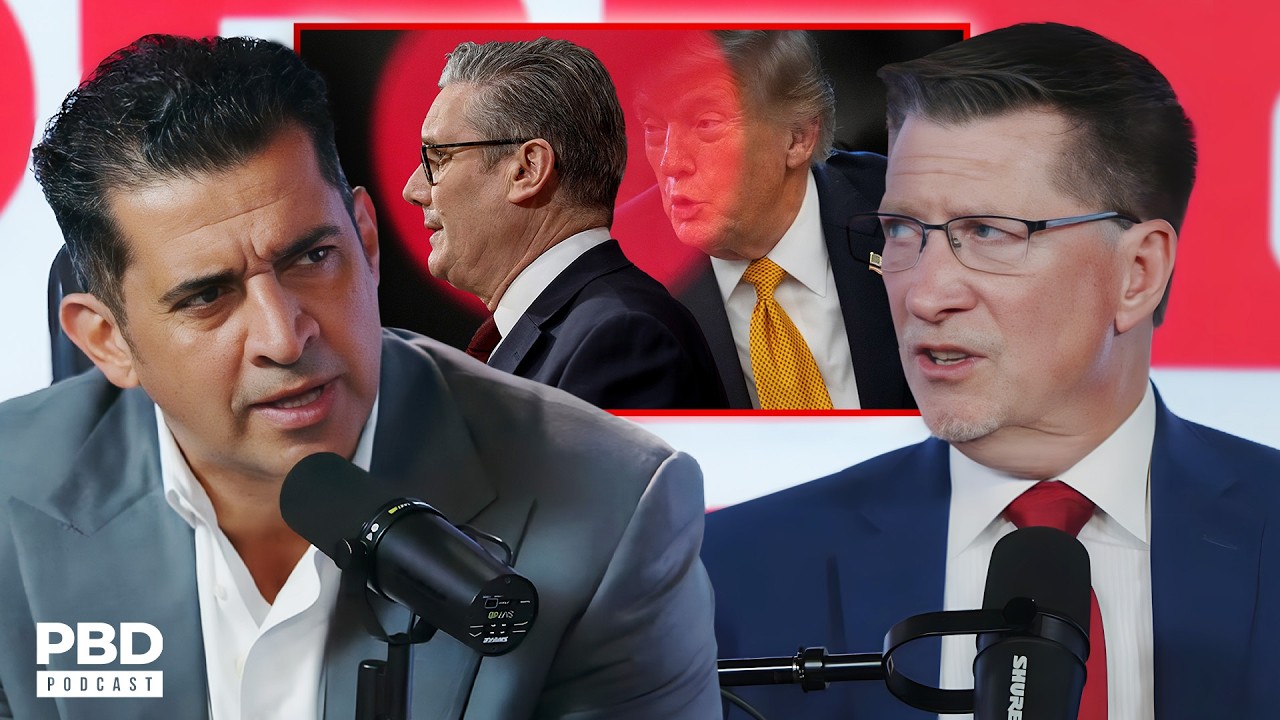
Trump warns NATO allies over Hormuz standoff, criticizing European reluctance and promising never to forget past support, as global tensions simmer.
Trump’s Stark Warning to NATO Amid Hormuz Crisis
In an explosive episode on Valuetainment, former President Donald Trump takes aim at NATO allies over their hesitancy to support the U.S. during a critical standoff at the Strait of Hormuz. The discussion revolves around diplomatic frustrations, strategic alliances, and a promise from Trump to never forget those who have stood by him—or against him. This in-depth analysis outlines the key insights from the conversation, revealing how Trump’s comments underscore broader implications for global politics and economic stability.
The Hormuz Conundrum: A Geostrategic Battleground
The Strait of Hormuz, a narrow passage that is critical for global oil shipments, has once again become a flashpoint in international politics. In the video, Trump voices his displeasure with the reluctance of key U.S. allies to intervene in the crisis. The strategic importance of this choke point is undeniable, as even temporary disruptions can have far-reaching consequences for the global economy.
NATO’s Reluctance and Trump’s Demand for Support
Amid rising tensions, President Trump reportedly confronted NATO allies with a direct question: "Are you with us or not?" This blunt rhetoric mirrors his historical approach to foreign policy, where he has never shied away from using overt pressure to ensure cooperation among allies. When referring to a Wall Street Journal article, Trump pointed out that allies like Germany have flatly rejected his call for additional support in the Strait of Hormuz. While Britain and France are weighing their options, Japan and Australia have signalled they are unlikely to commit military vessels.
German Defense Minister Boris Pistorius was quoted dismissing Trump’s request, rhetorically questioning what a handful of European frigates could achieve in the strategic waters that the U.S. Navy already dominates. This sentiment fuels the debate on whether these allies, long reliant on American military might, are now testing the limits of U.S. power.
The U.S. Leverage and Economic Interdependence
A critical point raised in the discussion revolves around the economic ties that bind the U.S. to its European partners. One of the speakers highlighted the fact that many European nations receive up to 50% of their liquid natural gas supply from America—a stark reminder of the economic leverage wielded by the United States. Furthermore, the reliance on U.S.-manufactured weaponry reinforces this bond, creating an intricate web of dependency.
Trump’s frustration is palpable when he recalled his direct conversation with British leaders. He criticized the United Kingdom for hesitating to deploy two aircraft carriers before the situation escalated, remarking, "I don’t need them after the war has ended—I need them before the war." This comment reflects the former president’s broader view on military readiness and the sacrifices he believes allies should be willing to make.
European Political Calculations and Globalist Agendas
One of the more intriguing elements of the discussion is the evaluation of European leadership. Several pundits in the conversation suggested that European leaders are engaging in political brinkmanship. There is a perception that some European governments are deliberately stalling to force the U.S. into a more favorable negotiation stance. For example, Kier Starmer’s remarks — emphasizing national interest and the need to prevent the conflict from expanding — are seen by some as a strategic move intended to cool down diplomatic pressure.
Political Leadership Versus Clear Vision
The debate also delves into the difference between what is deemed clear visionary leadership versus the muddled political maneuvering typical of globalist agendas. One commentator contrasted Trump’s straightforward, dealmaking approach with the European tendency to hedge their bets amid domestic pressures. He argued that European leadership is focused more on short-term political gains—possibly even aiming to capitalize on rising fuel costs and public discontent—than on the unified execution of a clear military strategy.
Critics within the discussion noted, "The Europeans are playing very carefully," suggesting that their hesitation might be less about military capability and more about internal political calculations. As one speaker put it, the delay in committing to support Trump in this crisis could be a deliberate strategy to avoid taking on long-term risks—highlighting a clear divide between U.S. resolve and European caution.
Global Political Manoeuvres and Underlying Pressures
Amid the strategic debate, another layer of complexity is introduced through the interplay between U.S.-China relations and the broader global political order. During the discussion, it was revealed that the U.S. had asked China to delay President Xi Jinping’s meeting, ostensibly due to the circumstances surrounding the Iranian war. This diplomatic tug-of-war further underscores the interconnectedness of global power plays. The suggestion is clear: while Europe hesitates, China may very well use the opportunity to advance its own interests, complicating the geopolitical chessboard even further.
Trump’s Uncompromising Stance and Historical Analogies
A recurring theme in the Valuetainment episode is Trump’s unwavering nature—both in personal and geopolitical contexts. One of the most memorable segments involves Trump echoing the sentiment of a historical quote: "No friend ever served me and no enemy ever wronged me whom I have not repaid in full." By invoking this ruthless Roman general's declaration, Trump underscores his belief that allies must not take U.S. support for granted. The former president makes it clear that the U.S. will remember every slight and every gesture of non-support.
A Deal or No Deal Approach to Alliances
Trump’s remarks suggest a fundamental shift in the way U.S. alliances are perceived. Rather than seeing long-standing alliances as automatic, the conversation emphasizes that these ties are contingent on mutual support and shared sacrifice. One of the speakers proposed a hypothetical scenario: what if NATO allies, in exchange for immediate support, could negotiate a freeze on tariff hikes for the next two or three years? This kind of dealmaking reflects Trump’s broader philosophy of quid pro quo in international relations—a philosophy that has characterized his approach both at home and abroad.
The implications of this approach are significant. Should the U.S. feel that its allies are not stepping up when the stakes are highest, Trump has made it clear that there will be consequences. In his words, "If you're an ally, we have your back. If you're an enemy, we will never forget." This uncompromising stance has served him politically in the past, effectively reminding allies and opponents alike that loyalty has its price.
The Impact on Global and Domestic Politics
The discussion in the video also extends to the domestic realm, where the political ramifications of international decisions are keenly felt. The debate reveals that the reluctance of European allies might be a calculated effort to let domestic issues—like rising gasoline and diesel prices—sway U.S. policy. Some commentators argue that by dragging out the conflict, European leaders are betting that increased economic pain for the American voter might force Trump to relent.
Domestic Politics Fueling International Decisions
In one part of the conversation, Trump’s supporters point to the previous American commitment to Ukraine, which saw billions in aid, as a precedent for expecting similar full-throated support from allies in urgent moments. However, for many European leaders, the scenario is different. They appear to be making a political calculation, weighing the domestic fallout of extended conflict against the imperial U.S. style of immediate intervention. The discussions highlight a tension in American foreign policy: while on the one hand, strategic decisions are made with an international outlook, the immediate political consequences are felt at home.
A Two-Way Street in Alliances
The conversation further illustrates that American alliances are not one-sided relationships. U.S. support in global conflicts has historically been a two-way street, where obligations are mutual. One of the speakers challenged the European nations by asking, "Who do you think needs whose help more often?" By constantly leveraging past sacrifices and previous commitments, Trump’s camp implies that reformulating these alliances might be overdue. They suggest that a recalibration of priorities is necessary given the changed geopolitical landscape and the heightened interdependence between military might and economic stability.
The Future of NATO and U.S. Global Influence
Looking ahead, the episode explores the potential long-term consequences of this standoff. Trump’s forceful remarks indicate that NATO’s future alignment with U.S. interests may hang in the balance. With the former president hinting that his memory of today’s decisions is indelible, the window for diplomatic renegotiation may narrow considerably.
Strategic Patience or Swift Action?
The debate raises important questions: Should NATO and its allies act swiftly to resolve the Hormuz crisis, or should they continue to deliberate while the geopolitical risks escalate? Some commentators argue that immediate action is the best course, stating that a swift resolution would act as a deterrent to future inaction. Others, however, believe that a more cautious approach aligns better with a long-term strategy, especially when considering the domestic political pressures in allied countries.
Balancing National Interests and Collective Security
A key insight from the discussion is that the current impasse is not just about military strategy; it reflects the broader challenge of balancing national interests with the principles of collective security. European leaders, as mentioned by one analyst on the show, seem to be prioritizing their internal political agendas—focusing on their constituents and narrowly defined national interests over long-term strategic commitments. In contrast, Trump’s approach is painted as one of direct mutual obligations, ensuring that allies remember the historical sacrifices on which their security is predicated.
Conclusion: A Crossroads for U.S. Alliances
In this compelling Valuetainment episode, the dialogue around the Hormuz standoff reveals deep fissures within traditional alliances. Trump’s stern warning to NATO—underscored by his invocation of historical resolve and uncompromising dealmaking—serves as a reminder that in global politics, support must be mutual and unyielding. By challenging allies to step up before the crisis intensifies, Trump lays out a clear message: loyalty and timely support are not optional, but essential components of international security.
The conversation is a microcosm of the broader tensions in today’s global order. On one side, there is the established alliance structure buttressed by decades of cooperation; on the other, a new generation of political leaders cautious about overcommitting militarily without clear domestic benefits. As European countries navigate these troubled waters, their decisions will not only impact the Hormuz crisis but could reshape the future of NATO and the balance of global power.
Ultimately, this episode serves as a stark warning: as Trump declares, "No friend ever served me and no enemy ever wronged me whom I have not repaid in full." This historic sentiment, though coming from the crucible of personal conviction, encapsulates the emerging paradigm where the cost of inaction—and the memory of disloyalty—may be far too high. The coming months will reveal whether NATO can bridge this growing gap or if the American approach to international relations is set for a profound transformation.
For further insights and related discussions, you can watch the full episode on “Trump Will NEVER Forget” - Trump HAMMERS NATO Over Hormuz Backdown.