Samay Raina’s Epic Journey: 3 Shocking Tales of Fame and Survival
 Factverse Insights|Entertainment|13 min read|Apr 9, 2026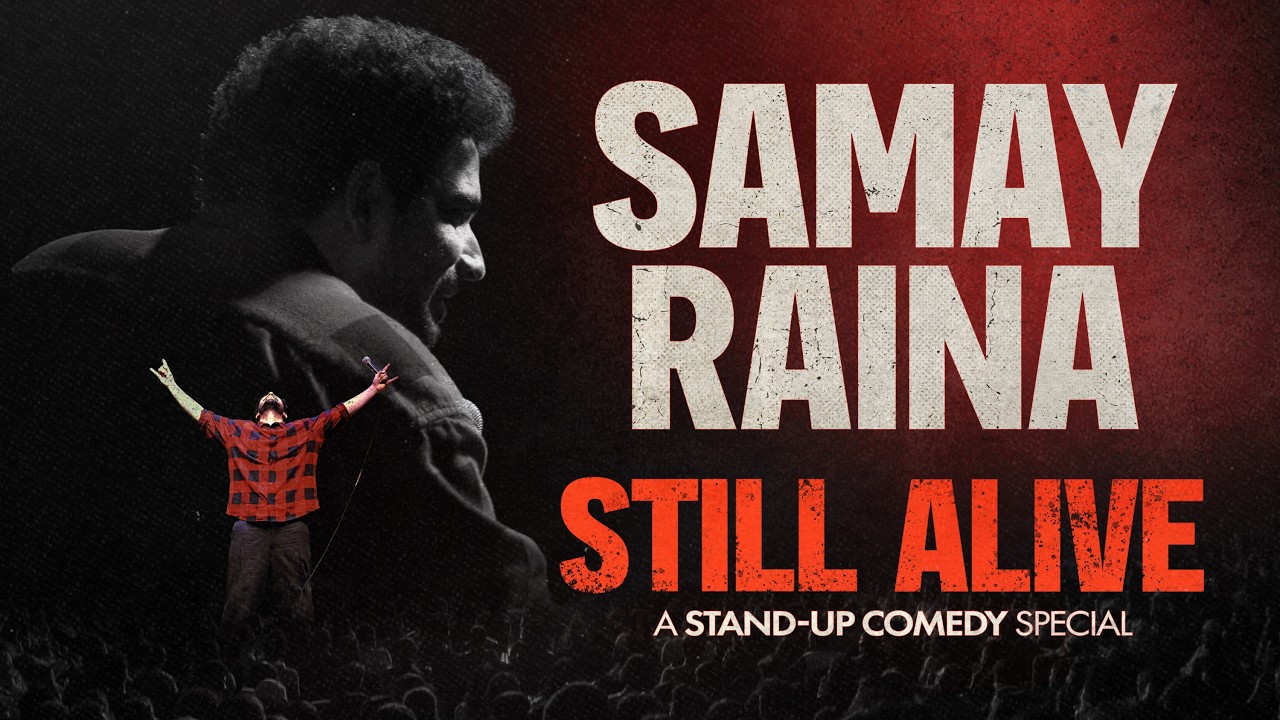
Discover Samay Raina’s raw insights on comedy, cancel culture, family trauma, media chaos, and his rebellious path in the STILL ALIVE special.
In his riveting STILL ALIVE special, Samay Raina takes us on a multi-layered journey through the tumultuous world of modern comedy and fame. Blending humor with raw honesty, he discusses everything from cancel culture and media controversies to deeply personal experiences with family trauma and mental health. In this episode, Raina leaves nothing unsaid as he challenges the norms of public persona and reveals what it truly means to survive in an unforgiving digital age.
How Does Comedy Intersect with Controversy and Cancel Culture?
Samay Raina’s narrative kicks off with an unapologetic take on the current landscape of comedy in India. He delves into the paradoxes of being a comedian today: on one hand, there is the creative freedom to experiment with edgy jokes; on the other, the looming threat of cancel culture and the pressure to conform to sanitized public expectations. In a world where provocative humor can cost you dearly, Raina recalls moments when his counterparts and even himself faced criticism for remarks that, while intended as satire, were met with a mix of outrage and fear.
He explains, "Every time a public figure hurts someone with a joke, that hurt becomes a lifelong punishment. The moment you step on stage, you aren’t just representing your act, but the character you play on the internet." This reflection encapsulates the duality of a comedian’s existence today. Raina points out that while some might desire a clean, controlled image online, doing so can often strip one of the genuine spontaneity that makes the art form unique.
In one memorable segment, Raina humorously recounts an incident where he nearly had to edit out controversial bits from a show. He stresses that the internet is like a high-stakes game – every joke, every offhand remark, is scrutinized and can spiral into massive public backlash. The delicate balance between creative freedom and the fear of being “canceled” is something he notes as a defining feature of contemporary comedic culture in India.
What Impact Does Family Trauma Have on a Creative Mind?
Moving on from public controversies, Samay dives into the personal—sharing heartfelt stories from his own family history. With candor and vulnerability, he recounts how growing up amid instability and displacement in Kashmir left an indelible mark on him. His parents, once respected figures in their community and media, faced hardships that no one familiar with the glitter of fame could ever imagine.
He recalls his early days in school, where his identity as the odd one out made him the target of relentless bullying. As he narrates, "Being the only fair-skinned kid in a predominantly different community was not just isolating; it was a daily lesson in resilience. Every taunt and wronged smile left a scar that, in time, influenced my approach to comedy and storytelling." This recollection underscores how personal trauma often seeps into an artist’s repertoire, adding layers of depth to their creative expression.
The emotional weight of these memories is palpable as he talks about the pressure he felt to match his father’s expectations—of making something out of a life that was fraught with hardships. This struggle, he acknowledges, has made him not only a more cautious comedian but also a more compassionate human being who now uses humor as a tool to speak about broader issues like racism and social inequality.
How Does Media Chaos Amplify Public Persona and Rebellion?
Beyond the intimate and visceral moments, Raina’s narrative is peppered with accounts of media chaos that have turned his life upside down. During one intense part of the special, he describes a scenario where, amid mounting online hatred and a slew of FIRs (First Information Reports), his every move was scrutinized by the press and law enforcement alike.
Samay reveals that even after selling out massive shows and achieving remarkable success on digital platforms—with millions tuning in from millions of devices—every public appearance was marred by controversy. At one point, he recounts how an ill-timed joke delivered by a fellow performer, known in the media as Beer Biceps, spiraled into a nationwide uproar. As tensions escalated, Raina found himself defending not just his work, but the very act of creative expression in the face of relentless censorious media.
He humorously remarks, "If you choose the clean image, you end up holding back who you truly are. And if you choose to be raw, expect the backlash to be relentless." In his own words, the internet is not merely a medium for entertainment—it is a game of high stakes where one misstep can switch the narrative from adoration to vilification almost instantaneously.
This segment also highlights a stark reality: fame is a double-edged sword. While millions celebrate his success, there is an omnipresent fear of the media and political powers congealing against him. Raina’s recounting of receiving death threats and witnessing FIRs being filed across various states underscores a climate where even jokes become political statements. The conversation takes an almost surreal turn when he details how he had to navigate these murky waters using all his connections—whether through friends in high places or old contacts from his early career—to stay afloat.
Why Does Rebellion and Resilience Matter in Today’s Entertainment?
In a particularly compelling part of his show, Samay Raina shifts his focus to a broader philosophical debate about the nature of rebellion in the modern entertainment scene. With a blend of wit and earnest introspection, he argues that rebellion isn’t just about defying norms—it’s a necessary part of survival in an era driven by digital virality and instant judgment.
He questions, "Should we apologize for the raw truth in our jokes, or is every revolution, every tiny act of dissent, part of a bigger movement towards authenticity?" This question isn’t just rhetorical; it is reflective of the internal conflict faced by many creators who must balance humor with responsibility. For Raina, the answer rests in the acceptance that every joke carries the potential to be a revolution—a tiny revolution that might inspire change or, at the very least, provoke thought.
His defiant stance is brilliantly illustrated when he discusses the thinning line between a public figure and the persona they craft on the internet. By admitting, "I’m a professional comedian and I do what I do every day, which is why I’m funny," he acknowledges that there is an inherent risk in publicly displaying emotions or apologizing. The backlash is not just from critics or netizens; it is systemic. Political pundits, media houses, and even law enforcement spread narratives that blame creative figures for a myriad of social ills. Yet, in these moments of vulnerability, Raina’s resilience stands out as he insists on remaining true to himself despite the cost.
How Does Mental Health Factor into the World of Comedy and Public Life?
Samay Raina provides a sobering look into the mental health toll of performing under constant scrutiny. He discusses how the pressure of maintaining a public image, coupled with the fear of repercussions—from both media and law enforcement—can lead to severe anxiety. In one segment, he candidly describes a moment when he felt overwhelmed by the series of threats and the relentless media circus.
The special reveals how even someone who is in the limelight, with millions admiring his craft, can fall prey to debilitating stress. Raina shares that his therapist once advised him to take a step back and remember that the internet is not reality. He adds, "I had to learn to put my phone away and take deep breaths. Sometimes, the best way to deal with chaos is to step back, relax, and let the storm pass." This message is powerful for a generation that is constantly connected and never allowed a moment’s respite from digital judgment.
His discussion on mental health is not just anecdotal; it’s a call to action for fellow creatives to acknowledge emotional vulnerabilities and seek support. The candid conversation about using medications like melatonin when the anxiety became too overwhelming highlights a side of celebrity that is rarely discussed publicly. Raina’s openness about these struggles serves as a reminder that even public figures need care and self-compassion.
What Lessons Can We Learn from Samay Raina’s Journey?
Perhaps the most profound takeaway from the special is the idea that authenticity, no matter how risky, is essential. Samay Raina emphasizes that to be a successful entertainer in today’s culture, one must be willing to show both strength and vulnerability. He speaks of his journey with a blend of humor and pain, illustrating how each setback—be it a public controversy, a personal trauma, or a media frenzy—has contributed to shaping his unique persona.
Raina’s experiences are a roadmap for several emerging talents who are trying to navigate the complicated world of digital fame. He explains that at some point, the desire to be genuine will always outweigh the pressure to project a flawless image. This resonates, especially with young creatives who aspire to push boundaries while facing scrutiny and backlash. As he puts it, "If you opt for a sanitized image, you sacrifice the rawness that makes you relatable and real."
Additionally, his reflections on the power of personal connections in defusing media chaos are enlightening. Whether it’s reaching out to influential contacts or simply leaning on trusted friends during hard times, Raina’s story emphasizes that survival in this industry isn’t a solo endeavor. We must remember that behind every viral moment and every scandalized tweet, there is a human being juggling personal demons and fragile emotions.
How Does Samay Raina Redefine Success and Creativity?
Samay Raina’s STILL ALIVE special ultimately redefines what success means in the world of creative entertainment. Breaking free from the constraints of conventional media narratives, he champions a lifestyle that embraces risk, error, and vulnerability. His unapologetic approach to controversies—ranging from cancel culture to politically motivated FIRs—shows that a comedian’s role is intrinsically tied to challenging societal norms.
He humorously recounts his shocking moments on stage and backstage, where a single joke could either elevate him to legendary status or lead to a cascade of public outrage. "We are all just actors on the internet," he wryly observes, reflecting on how every performance is a carefully curated yet inherently unpredictable act. The fact that he managed to sell out tours, book sold-out shows, and secure massive online viewership despite these challenges is a testament to his relentless spirit and adaptability.
This segment is also a rallying cry for creative freedom. Raina argues that the internet should not be a platform for sanitizing art but rather a space where revolutionary ideas can flourish—even if they are one tiny joke at a time. His perspective is that each act of rebellion, every edgy remark, is part of a continuous push for authentic self-expression. It is a call for entertainers and audiences alike to accept that controversy and discomfort are sometimes necessary in the pursuit of truth and artistic growth.
Reflections on Rebellion, Resilience, and Redemption
As the special moves into its closing chapters, Samay Raina leaves audiences with a powerful meditation on the intersections of fame, family, and personal redemption. In a heartfelt finale, he professes that the journey has made him wiser and that every experience, whether triumphant or traumatic, has contributed to his creative evolution. He draws parallels between his own struggles and the broader experience of anyone trying to make it in a world that is often quick to judge and slow to forgive.
A recurring theme throughout the show is the importance of reclaiming one’s narrative. Rather than succumbing to the pressures of a judgmental society, he chooses to forge his own path. Whether it’s by owning up to mistakes with a well-timed apology or by laughing off the absurdity of public outrage, Raina demonstrates that the art of surviving in celebrity culture is about maintaining humility while daring to be different.
In a particularly stirring moment, he calls upon his audience to re-examine their own relationships with failure, success, and the relentless chase for validation. "Don’t let the game of internet fame define who you are," he urges. This lesson, delivered with both gravitas and mirth, serves as a universal reminder that every setback is an opportunity for renewal.
Ultimately, Samay Raina’s STILL ALIVE special is more than just a comedy routine – it’s an exploration of life’s inherent contradictions. It is about finding light in the darkness, humor amidst hostility, and hope in the face of relentless challenges. His journey underscores the reality that while the digital landscape can be brutal, it can also be a remarkable platform for transformation and self-discovery.
Conclusion
In the STILL ALIVE special, Samay Raina masterfully weaves together humor, controversy, and deep personal reflection to paint a portrait of a modern entertainer who refuses to be boxed in by society’s ever-changing expectations. His candid discussions on cancel culture, personal tragedies stemming from family trauma, and the dizzying highs and lows of public life resonate deeply with anyone who has ever felt the dual burden of creative passion and societal judgment. Through his honest storytelling, Raina shows that authenticity is the ultimate form of rebellion—a message that is both timeless and timely in today’s digital world.
For fans and newcomers alike, this episode is a must-watch for its fearless exploration of what it means to be truly alive, both on and off stage. Samay Raina’s epic journey is proof that success is not measured by the number of applauses, but by the courage to stay real when the spotlight grows too bright.
Frequently Asked Questions
What is the main theme of Samay Raina’s STILL ALIVE special? Samay Raina’s STILL ALIVE special revolves around his candid reflections on modern comedy, cancel culture, and the personal struggles that have shaped his journey. He discusses how the pressures of public life and media chaos intertwine with personal trauma and vulnerability to redefine what it means to be an authentic entertainer in today’s digital era.
How does Samay Raina address cancel culture in his special? In the special, Raina openly critiques cancel culture by sharing instances where edgy humor was met with intense backlash. He highlights the high stakes of performing in an era where every joke is scrutinized, and he emphasizes that creative authenticity must sometimes break through societal expectations despite the risk of public outrage.
What personal experiences does Samay Raina share about family trauma? Raina delves into his personal background by recounting the challenges he faced growing up during turbulent times in Kashmir. He speaks of the emotional scars from bullying and the shadow of family struggles, explaining how these experiences have influenced his approach to comedy and his overall worldview.
How does Samay Raina’s special reflect on mental health in the entertainment industry? The special emphasizes the significant mental health challenges faced by public figures, particularly in the realm of digital fame. Raina discusses how the constant pressure to maintain a public image coupled with media scrutiny can lead to anxiety and stress, offering insights into his own coping mechanisms and the importance of addressing emotional vulnerabilities in the high-pressure world of entertainment.