Axios Hijack Exposed: Unmasking 2026 Supply Chain Breach
 Factverse Insights|Technology|12 min read|Mar 31, 2026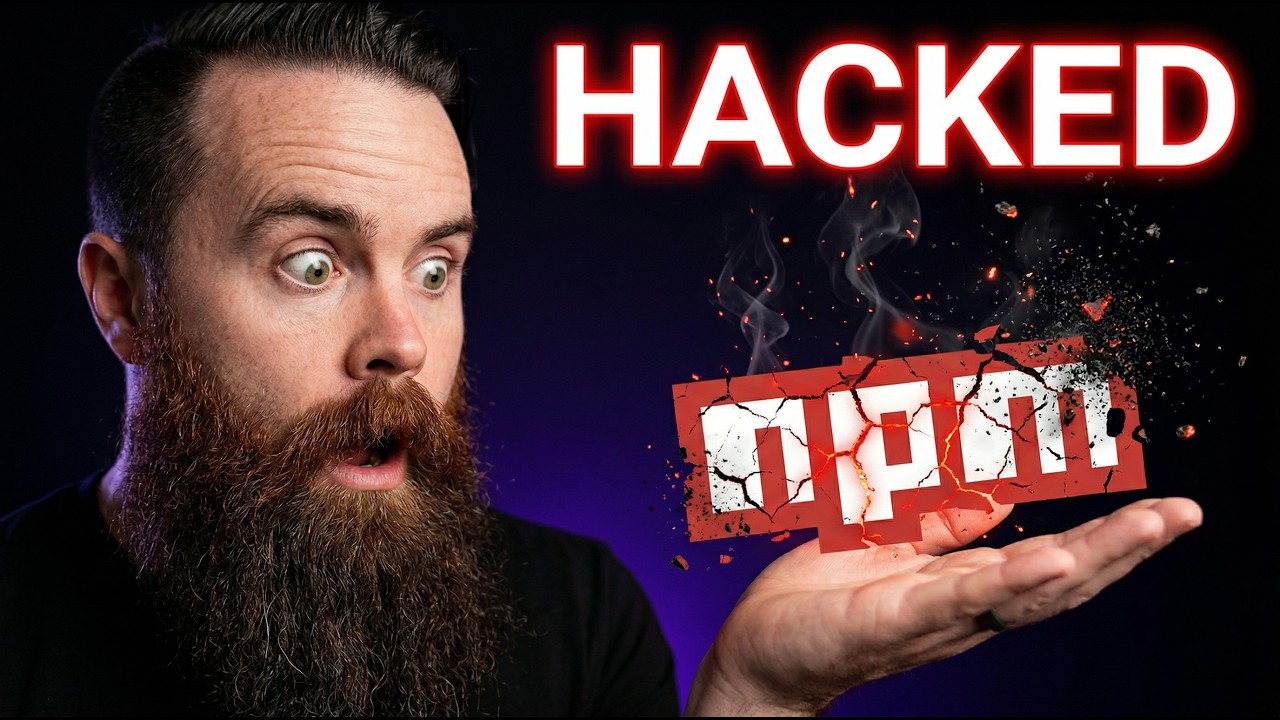
Dive into the details of the 2026 Axios hijack and learn how a supply chain attack via npm install turned into a sophisticated threat. Discover how this hack works, what risks it poses, and the remediation steps you should take.
In this in-depth coverage of NetworkChuck’s recent episode, the article explains the shocking details behind what has been called the worst hack of 2026. The video reveals how a seemingly simple command like npm install became the vector for one of the most dangerous supply chain attacks in history. Readers will learn every step of the hack, from how the attacker infiltrated widely used libraries to the rapid execution and self-erasing malware that compromised millions of systems.
How Did the Axios Hijack Unfold?
NetworkChuck explains that the flaw began with the hijacking of Axios, a popular HTTP library with over 100 million downloads per week. The attacker managed to compromise the lead maintainer’s account and injected a single line in the package.json file. As explained by NetworkChuck, "The attacker changed one line in the dependency, and you would never notice a malicious code injection if you only skimmed through it." The hack was not a blatant insertion of obvious malware code; rather, the attacker cleverly staged a clean version 18 hours earlier to bypass continuous integration and delivery pipelines. This allowed the malicious payload to be triggered seamlessly during installation.
The compromised package is integrated in a vast dependency network. Even if developers never install Axios directly, countless projects rely on it through dependencies like OpenClaw. NetworkChuck makes it clear that this isn’t an isolated incident: "Your project might trust 200 to 2100 strangers with code execution, and any one of those dependencies can be the weak link," he warns.
What Role Does NPM Play in This Hack?
The npm package manager functions as the backbone for JavaScript’s open-source community. In the video, NetworkChuck explains that commands like npm install serve as the app store for code. When you run npm install, you are not only installing the tool you need—you are also trusting every single dependency that your project relies on. The Axios hack forces us to reckon with a stark reality: a single compromised package in the npm ecosystem can have ripple effects on hundreds of thousands of projects worldwide.
NetworkChuck provides a live demonstration by urging viewers to run commands to check if their systems have the affected versions 1.14.1 or 0.30.4 installed. The hack works when the malicious post-install script is executed, installing a dropper that further deploys the remote access trojan (RAT) in as little as 1.1 seconds. As NetworkChuck vividly describes, "The malware erases itself—leaving no trace behind."
How Is the Malicious Code Concealed?
A hallmark of this attack is its stealth. The attacker injected just one line into the package.json file, replacing the dependency on crypto.js with a seemingly harmless one that runs a post-install script. This script is the trigger for the RAT dropper. NetworkChuck points out that the script employs multiple layers of obfuscation (using techniques like XR encoding and base64) and manipulates file names to replace the malicious code with a clean version after executing the payload. This clever method bypasses traditional CI/CD defenses that typical security scans might catch, leaving developers in the dark about the true nature of the installed code until it’s too late.
Why Is This Considered the Worst Supply Chain Attack of 2026?
What makes this hack unprecedented is not only the scale but also the sophistication of the approach. Axios, maintained by a group of unpaid volunteers, is used by an estimated 174,000 projects. NetworkChuck contrasts this with a dark analogy: "It’s like poisoning the water supply that brews your coffee—not just your local cup but every cup in every home." This metaphor powerfully illustrates how a single point of failure in a supply chain can lead to widespread devastation.
Moreover, rather than directly inserting a blatant malicious payload into Axios, the attacker chose to hide the activation mechanism within the installation process. By ensuring that the RAT is executed and then cleans up after itself, the malware minimizes forensic evidence, making post-attack investigations far more challenging. This level of evasion suggests an attacker with significant knowledge of modern CI/CD processes and security measures.
How Can Developers Check Their Systems for the Compromised Axios Package?
NetworkChuck guides viewers through a practical checklist to verify if their systems are affected by the attack. Developers are encouraged to open their terminal, run the command npm list -g --depth=0 (or a similar command tailored to their setup), and look for version numbers 1.14.1 or 0.30.4 in the Axios package lineage. If the hack has infiltrated their dependencies, these commands will reveal the compromised libraries.
For users who wish to ensure comprehensive security, NetworkChuck recommends scanning entire systems using custom multi-line commands provided in the video. He also advises caution: if any signs of the setup.js file or unexpected network activity (such as contact with the attacker’s command-and-control server) are detected, the compromised system should be treated immediately as a security breach. This means isolating the system, rotating all credentials, and following a thorough remediation checklist.
What Are the Potential Impacts on the Software Supply Chain?
The Axios hack serves as a stark reminder of the vulnerabilities inherent in the software supply chain. Each npm package acts as a node in a vast network of interdependent codebases, and compromising one can lead to a cascading effect. NetworkChuck illustrates that even if a developer is not directly aware of enjoying Axios in their project, it may be deeply embedded in one of the many dependencies installed through libraries like OpenClaw.
The analogy provided by NetworkChuck about poisoned coffee beans serves to visualize the risks. Imagine if an adversary poisoned the water used by every coffee producer; even if you only buy coffee from your favorite local shop, the contamination affects you too. Similarly, the hack affects every project that ’inherits’ the compromised Axios package—even without explicit notice. This incident calls for a reevaluation of trust in open-source ecosystems and a push for more secure methods to manage dependencies.
How Does the Post-Installation Script Work?
Once the compromised Axios package is installed using npm install, the malicious code executes automatically. NetworkChuck emphasizes that the script triggers a dropper that deposits a setup.js file. This file, masked by layers of obfuscation, decodes and executes the RAT, which then communicates with the attacker’s command and control (C2) server.
In under 1.1 seconds, the RAT is deployed for the appropriate operating system—whether Mac, Windows, or Linux. The script then immediately cleans up all traces of its execution by deleting the setup.js file and toggling file names to remove any lingering evidence. NetworkChuck underscores the gravity of the situation: "The attacker has system access in just over a second, with no obvious signs of intrusion."
This sophisticated use of post-install scripts combined with file renaming allows the malicious code to slip by unnoticed under the radar of many static analysis tools. It represents a new breed of supply chain attacks where the final payload is transient, leaving scant forensic evidence even if the hack is later discovered.
What Are the Key Lessons for Developers from This Attack?
There are multiple takeaways for developers following this incident. First, the incident underlines the importance of strict control over authentication tokens. In this case, the attacker capitalized on a lead maintainer’s long-lived npm access token, which provided unfettered access to the package’s publishing controls. NetworkChuck expresses sympathy combined with caution as he points out, "I feel so bad for the maintainer; this highlights the massive risks in our open-source practices."
Secondly, the attack exposes a critical flaw in dependency management. With projects depending on hundreds or thousands of external libraries, developers are forced to implicitly trust unknown contributors. This incident reinforces the need for improved validation processes, better automated scanning, and perhaps a rethinking of how dependency ecosystems like npm are governed.
Lastly, developers must be proactive. Regularly auditing the dependency trees, implementing security practices such as dependency pinning, and adopting tools that monitor open source vulnerabilities in real time can help mitigate such risks. NetworkChuck advises, "Keep an eye out and treat your system as compromised if you detect any unusual artifacts." The message is clear: vigilance and proactive security measures are more critical now than ever before.
How Is AI Influencing Cybersecurity, Both For and Against Us?
An unexpected twist in NetworkChuck’s narrative is the role that AI plays in both accelerating attack methodologies and bolstering defenses. He notes, "AI is amazing and it's been helping us build stuff, but it's also helping the hackers do things." As AI-powered tools become more prevalent, attackers can use them to automate aspects of their payload deployment, obfuscation, and even penetration testing of defensive systems. Conversely, cybersecurity experts are leveraging AI to detect anomalies, predict potential vulnerabilities, and provide real-time alerts.
This duality of technology presents a significant challenge: while AI can improve efficiency and innovation, it also lowers the barrier for executing sophisticated cyber attacks. NetworkChuck’s coverage stresses that as we adopt these cutting-edge tools, it is equally important to invest in robust AI-powered security measures. The balance will determine the future of cybersecurity in an increasingly interconnected world where supply chain attacks are ever more likely.
What Are the Remediation Steps After a Supply Chain Attack?
If you suspect that your project or system has been compromised by a supply chain attack like the Axios hack, remediation must be swift and comprehensive. NetworkChuck outlines several crucial steps:
Immediate isolation: Treat the affected machine as though it is fully compromised. Disconnect it from any network to prevent further communication with the attacker’s command and control server.
Credential rotation: Change all API keys, tokens, and passwords, as the adversary may have obtained these during the attack.
System scans: Use comprehensive scanning tools to search for any leftover traces of the malware—specifically for files like setup.js or unexpected modifications in package.json.
Dependency audits: Examine your project’s dependency chain thoroughly, checking for vulnerable versions of widely-used packages such as Axios. This approach is especially crucial in projects that support continuous integration and delivery workflows.
NetworkChuck advises that if you find any evidence of the hack, do not merely delete the suspected files. Instead, follow your organization’s incident response protocol, documenting every anomaly and consulting with cybersecurity professionals. After taking these steps, conduct a full risk assessment of your systems to ensure that no further vulnerabilities are left exploitable.
What Does the Future Hold for Open-Source Security?
The Axios hijack is a wake-up call for the entire open-source community. This attack not only affects individual developers but also raises concerns for thousands of projects that depend on open-source libraries. In his video, NetworkChuck challenges industry leaders and open-source maintainers to rethink existing security frameworks. "This is massive; if one package in the chain is compromised, it could be akin to poisoning the water supply," he remarks.
Moving forward, the industry may see tighter controls on access tokens, improved verification mechanisms, and more systematic study into dependency vulnerabilities. Collaboration between maintainers, security experts, and companies reliant on open-source software will be essential in creating a more resilient ecosystem. Only through collective effort can the vulnerabilities inherent in this interdependent system be effectively addressed.
Conclusion: Staying Vigilant in a Rapidly Changing Threat Landscape
NetworkChuck’s coverage of the Axios hack illustrates that the threat landscape is evolving. With supply chain attacks becoming more common and sophisticated, every developer and organization must prioritize security throughout the development lifecycle. The Axios hack underscores the interconnectedness of modern software: each dependency is a potential risk vector that can compromise an entire network.
As this incident shows, the threat is real and immediate. Developers are urged to audit their systems, review security practices, and stay abreast of the latest cybersecurity trends. The role of AI in both facilitating these attacks and defending against them only adds complexity to this rapidly shifting landscape. Ultimately, maintaining vigilance and a proactive approach to cybersecurity is the best defense against such pervasive and stealthy threats.
Frequently Asked Questions
What is a supply chain attack? A supply chain attack targets systems by compromising a third-party service or software that is widely used. Hackers infiltrate trusted components, such as libraries or dependencies, enabling them to deploy malicious code across countless systems. These attacks exploit the inherent trust between developers and open-source maintainers, leading to widespread vulnerabilities in interconnected software ecosystems.
How did the Axios hack occur? The Axios hack occurred when an attacker compromised the lead maintainer’s account and altered the package.json file delivered with Axios. This single-line change, seemingly benign, triggered a post-install script during npm install that rapidly deployed a hidden remote access trojan. The malicious code was carefully engineered to execute and then erase evidence, making detection challenging and leading to an unprecedented supply chain attack.
How can I check if my npm packages are compromised?
Developers can verify their installations by running commands such as npm list -g --depth=0 to check the versions of installed packages. In the video, NetworkChuck directs users to check for Axios versions 1.14.1 or 0.30.4. If you suspect anomalies, further scanning across your entire project is recommended to ensure no malicious files, such as setup.js, remain in your system or project dependencies.
What are the recommended remediation steps after a supply chain attack? If a supply chain attack is suspected, start by isolating the compromised machine and disconnecting it from any networks. Next, rotate all credentials including API keys and tokens. Thoroughly scan your system for any suspicious changes or files, and conduct a complete audit of your dependencies. Finally, follow your organization’s incident response protocol and consult security professionals to thoroughly mitigate any residual risks.